
You’ve seen the shot: a home at dusk, the sky a deep blue, every window glowing warm and gold, the whole place looking like a magazine cover. That’s the twilight shot, and it’s the single highest-impact exterior photo in real estate. It’s also the one buyers stop scrolling for. Here’s how to shoot twilight real estate photography yourself.
Why the Twilight Shot Works
A daytime exterior shows the house. A twilight exterior sells a feeling: warmth, home, the end of a good day. The contrast of the cool blue sky against the warm glow of the windows is what makes it pop, and it’s almost impossible to look away from. Listings that lead with a twilight hero shot consistently earn more clicks than the same home shot at noon.
It’s worth doing right because you only get one window to capture it, and that window is short.
The Timing Is Everything
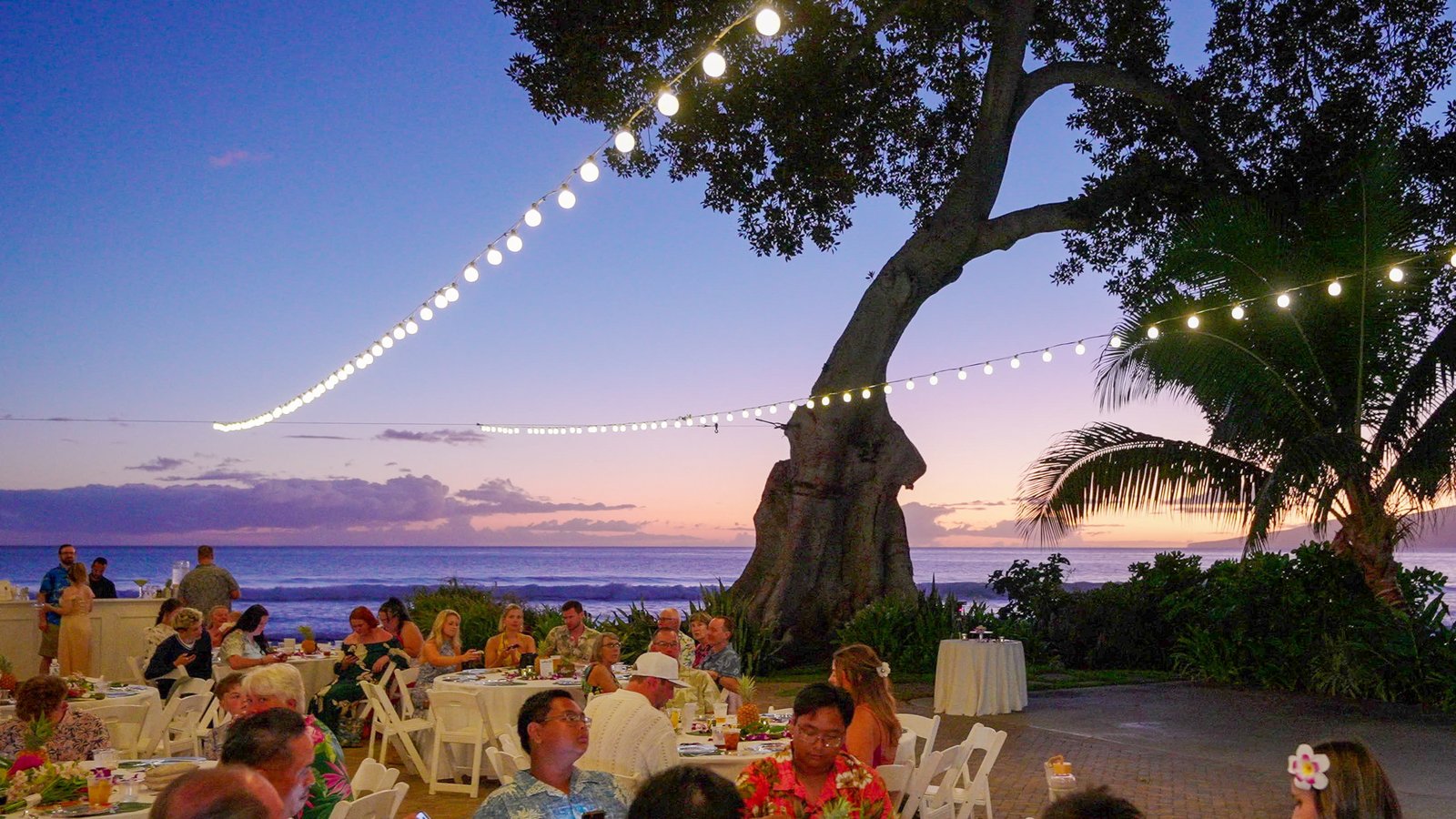
The magic happens during the “blue hour,” the roughly 20 to 30 minutes just after the sun dips below the horizon, when the sky still holds deep blue light but the house lights read as glowing. This is not full dark. If you wait until the sky is black, you’ve missed it, the contrast is gone and the house looks like it’s floating in a void.
So the timing rule: be set up and shooting before the sun fully sets. Scout the spot in daylight, get your composition locked, and be ready to fire the moment the sky turns. You’ll have less time than you think.
The Setup
Twilight shots are low-light, so this is a tripod shot, no exceptions. Handheld at dusk gives you blur. A sturdy tripod keeps the house sharp and your verticals straight.
Before the light goes:
- Turn on every light in and around the house: interior lights, porch lights, landscape lighting, the works. The glow is the whole point.
- Open the blinds so the warm light spills out the windows.
- Frame the house from a slight angle to show depth, and include a bit of sky.
- Pull cars out of the driveway and tidy the yard.
The Exposure Blend
Here’s the technical heart of it. The sky and the glowing windows are very different brightnesses, and one exposure usually can’t hold both. The pro method is to take a few frames at different exposures, one for the sky, one for the windows, one for the house, and blend them in editing so everything looks right.
If that’s more than you want to take on, a single well-judged exposure during peak blue hour, slightly underexposed to keep the sky rich, gets you most of the way. Either way the finishing happens in the edit, and the real estate photo editing guide covers the blending and color work.
A Phone Can Almost Get There
A modern phone’s night mode can produce a surprisingly good twilight shot if you prop it on something steady and shoot during blue hour. It won’t match a camera’s exposure blend, but for a quick hero shot it’s better than nothing. See iPhone real estate photography for the phone fundamentals, and the core tips for everything else.
When It’s Worth Hiring Out
The twilight shot is the one exterior where the gap between DIY and professional is most visible, because the exposure blend and the precise timing take practice. For a flagship or luxury listing, it’s often the photo worth paying a pro to nail.
If you want the glowing hero shot done right for a Nashville listing, get in touch and we’ll catch the blue hour for you.
Twilight is the shot most listings never get, because it means being on site for a specific twenty minutes. We schedule around it.