
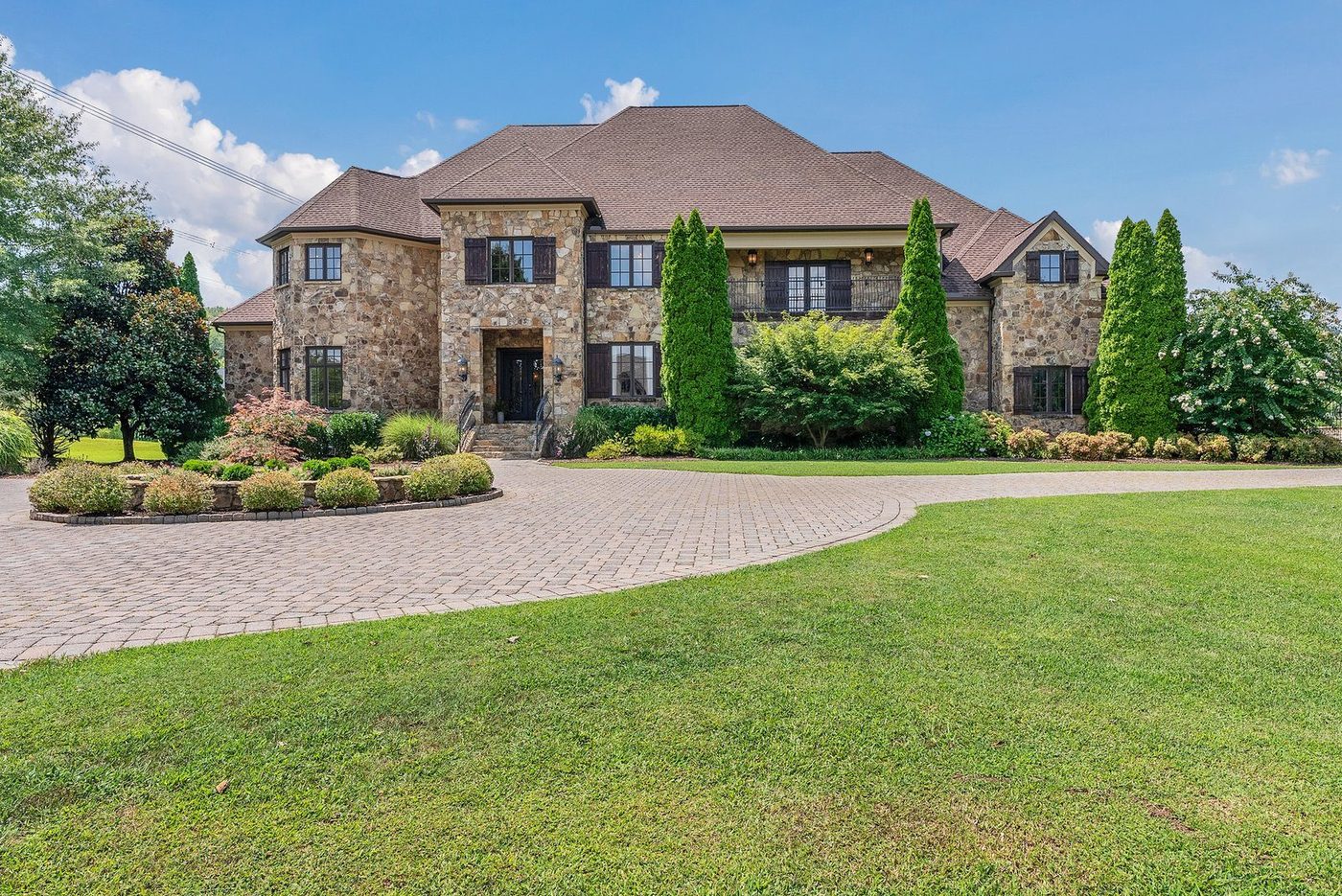
Agents tend to obsess over which camera body to buy, when the truth is that for real estate, the body matters less than almost anything else. Once you clear a basic bar, the lens, the light, and the technique do far more for your listing photos than spending another thousand dollars on a fancier camera. Here’s how to choose the best camera for real estate photography without overpaying for features you’ll never use.
What Actually Matters for Listings
Real estate photography asks very little of a camera compared to, say, sports or wildlife. You’re shooting still rooms, usually on a tripod, with time to set up each frame. That means the specs people pay premiums for, blazing autofocus and high frames-per-second, are nearly irrelevant here.
What does matter:
- Good dynamic range. Interiors have a hard problem: the room is darker than the bright windows. A camera with good dynamic range captures both the room and the view outside in one frame, or makes it easy to blend a couple of exposures together. This is the single most useful trait for real estate.
- Interchangeable lenses. So you can mount the wide-angle that does the real work.
- Manual controls. You’ll want to set exposure deliberately, not leave it to auto.
- A tilting screen. Helpful for low and high angles without contorting yourself.
That’s the whole list. Almost any modern mirrorless camera checks these boxes.
What You Can Ignore
- High megapixel counts. Listing photos are viewed on phones and laptops; 24 megapixels is plenty.
- Fast continuous shooting. Rooms don’t move.
- The newest model. Last year’s body, or a used one, shoots identical listing photos for less.
Solid Picks by Budget
Rather than name models that go out of date, shop by tier:
- Entry-level: any current entry mirrorless body from the major brands, paired with a wide-angle, will produce professional-looking listings. This is where most agents should land.
- Mid-range: a step up buys you better dynamic range and low-light performance, which helps with dim interiors and twilight shots. Worth it if you shoot listings constantly.
- Pro: full-frame bodies give the best dynamic range and the widest lens options, but the gap between mid-range and pro is small for real estate specifically. Buy here only if you’re shooting high-end homes daily.
Put your money toward the lens and a tripod before the body. A mid-tier camera with a great wide-angle beats a pro body with a kit lens every time.
Or Start With Your Phone
If buying a camera feels like a big leap, you don’t have to make it yet. A modern phone shoots usable listing photos, and you can upgrade later once you’re sure photography is part of your routine. See iPhone real estate photography for how far the phone gets you and when it’s time to graduate. Either way, the core real estate photography tips apply to whatever you shoot with.
The Bottom Line
Clear the basic bar (good dynamic range, interchangeable lenses, manual controls), spend the savings on glass and a tripod, and skip the spec race. The camera is the least important variable in a great listing photo.
For the listings worth getting perfect, get in touch and we’ll bring the full kit and the eye that goes with it.
If you would rather not own the camera at all, that is what we do: see real estate photography.