
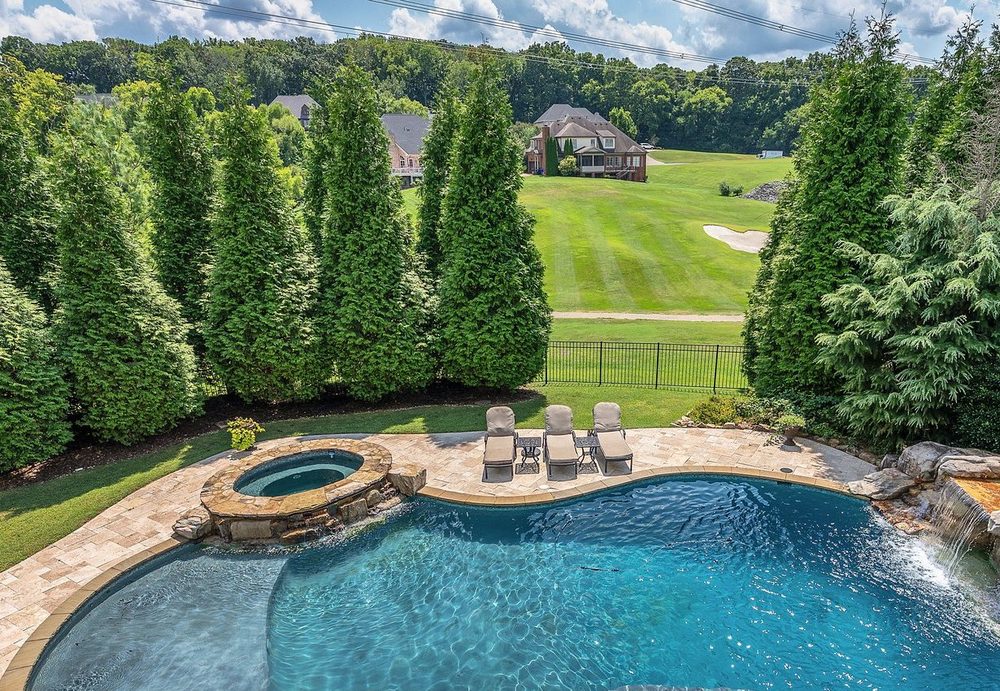
A buyer scrolls through a listing on their phone at 10 p.m. Twenty-two photos, a crisp hero shot, a kitchen that looks warm, a backyard that looks bigger than it is. They stop, screenshot a few, and send one to their partner. That is the job of real estate photography, and when it is done well, nothing else is needed.
Then the next listing comes along. Same number of photos, same beats. They scroll past it in four seconds. Not because the photos were bad, but because they had seen enough of that house in the first eight images and the rest felt like filler.
That is the moment real estate photography and videography start to split jobs. Photos get the click. Video keeps the attention. For most listings, agents only need the first one. For the listings that have to work harder, the two together is what moves the showing calendar.
What Each One Actually Does
Photos and video are not two sizes of the same thing. They do different work for a buyer, and understanding that keeps you from overpaying for one or underusing the other.
Photos are the proof. A buyer wants to know: how big is the kitchen, what is the floor plan trying to do, is the backyard private, does the natural light look like the listing claims. A good set of twenty to thirty photos answers all of that in about ninety seconds of scrolling. The buyer is in control, they can linger on the bathroom tile or skip past the laundry room, and that control is why photos remain the backbone of every listing on the MLS. If you want to shoot that backbone well, the real estate photography tips guide walks the fundamentals in the order they matter.
Video does something photos cannot: it shows how the house flows. A thirty-second walk from the front door, through the living room, around the island, out to the back deck tells a buyer what the house feels like to live in. You cannot stitch that feeling together from stills, no matter how many you shoot. Space and sequence are the two things only video carries, and in a listing where either one is a selling point, photos leave money on the table.
When Photos Alone Are Enough
Not every house needs both. Pretending otherwise is how agents end up paying for video on a starter home that is going to sell in a weekend anyway.
A clean set of photos is usually enough when the price point is at or below the local median, the floor plan is standard, the property is in a strong seller’s market with low days on market, or the home is going to be the subject of a bidding war no matter what. In those cases the photos are not the thing selling the house. The market is. Spending another six to twelve hundred dollars on video does not change the outcome, it just raises your cost per listing.
The honest advice we give agents: if you can predict the house will go in under ten days with ten decent photos, skip the video. Shoot the photos well, light the rooms, get the twilight exterior if the house has one worth showing, and move on. Save the video budget for the listing that actually needs it.
When Video Earns Its Keep
The listings that benefit from both are the ones where the house has to do real work in the buyer’s head before they book a showing. Four situations come up over and over in Nashville.
The luxury listing. Above a certain price point, buyers are not just comparing floor plans, they are evaluating lifestyle. A short cinematic walkthrough with aerial coverage, a sunset exterior, and a few key interior pulls does something photos cannot: it builds a sense of what owning this house feels like. For a seven-figure listing, the cost of a video is a rounding error against the commission, and sellers at that tier increasingly expect it.
The relocation buyer. Nashville gets a lot of out-of-market buyers who cannot drive by the house before deciding whether to fly in. For them, photos answer about seventy percent of the questions and video answers the rest. A walkthrough shows them whether the house is on a busy street, how the yard actually sits on the lot, how the kitchen opens to the living room. The deeper mechanics of what a Nashville property video should include live in the real estate video production in Nashville guide, which is the companion piece to this one.
The unusual property. Mid-century layouts, custom builds, lofts with unusual ceilings, farmhouses on acreage. Anything where the floor plan is a selling point and still photos cannot really show how the rooms connect. Video solves that in thirty seconds.
The slow market or the long-sitting listing. If a house has been on the market for forty days and the photos were fine, video is often the lever that resets the attention cycle. A fresh walkthrough gives the listing a reason to show up again in a buyer’s social feed and in your email campaigns.
Outside of those four, most listings can live on photos alone, and the agent who knows the difference saves the video budget for the listings where it changes the result.
How Photos and Video Fit Together on a Shoot
When both are on the schedule, the shoot itself does not take twice as long. It takes about one and a half times as long, and only if the two are planned together from the start.
The order matters. Photos go first, because they require a cleaner room: no cords in frame, counters wiped, every surface styled for a static shot. Video is more forgiving on that front, since motion softens small distractions. If you shoot video first and then try to tighten the room for stills, you lose time resetting. If you shoot stills first and then roll video, the room is already as clean as it is going to get and the videographer can start moving.
Lighting is where photo and video shooters sometimes work against each other. Photographers often rely on bracketed exposures and a slow shutter on a tripod, so they can shoot in dim rooms and recover shadow detail in the edit. Video does not get that luxury. Shutter speeds are fixed by the frame rate, so the camera needs more actual light in the room to look clean on video. In practice that means turning on every light the photographer already asked you to turn on, and sometimes adding a small on-camera light or a window-side reflector for the dim corners. Both disciplines can share the same lit room if the videographer plans the exposure around it.
Drone work is a shared asset. If the house has aerial potential, the drone pilot captures both a few hero stills and a short orbit video in the same flight. That is one of the clearest cases where real estate photography and videography overlap: one trip up, two deliverables, one invoice line.
Budget: What the Combo Actually Costs
This is the question agents actually want answered, so here is the honest range for Nashville.
A standard photo-only shoot of a mid-market Nashville home runs roughly $200 to $400 depending on square footage, drone, and twilight add-ons. A short real estate walkthrough video runs roughly $600 to $1,200 on its own. When both are booked together, the combined package typically lands in the $750 to $1,500 range because the travel and setup are shared. Luxury and acreage properties sit above that; brand-new condos on a tight schedule sit below.
The way to think about the math is cost per expected result, not cost per deliverable. A listing agent working at a 2.5 percent commission on a $600,000 home is earning $15,000 at close. Spending an extra $600 on video to make that listing memorable is a four percent reinvestment of the commission. For the listings where it matters, that is one of the cheapest moves in the business. For the listings where it does not, it is a waste. The job is knowing which is which, and that is the honest value an agent brings over a flat-rate shoot package.
A Simple Decision Rule
If you are standing in a house trying to decide whether to book the video, three questions decide it almost every time.
First, will the photos alone give a buyer everything they need to request a showing? If the layout, the natural light, and the main selling features all come through in stills, you are done. Shoot the photos well and move on.
Second, is there something about this house that only shows up when you move through it? A view that unfolds, a flow that is hard to picture from a floor plan, a backyard that reads differently when you see it in sequence. If yes, video is probably worth it.
Third, is the buyer most likely to come from out of town? If a meaningful share of your showings will be flown in or driven in from more than an hour away, video raises their confidence enough to actually get on the plane. On relocation-heavy listings in Nashville, that one factor by itself usually pays for the video.
If the answer to the first question is no and the answer to either the second or third is yes, book the combo. Otherwise, keep it to photos and spend the saved budget on the next listing where video will actually earn its keep.
The Nashville Reality
Nashville’s listing market has quietly raised the floor on presentation over the last three years. The city gets steady out-of-state inbound buyers, there is a well-funded listing-video norm at the top of the market, and a dozen cities’ worth of relocations run through here every month. For agents working at or above the median, treating photos and video as two parts of one listing strategy, rather than two separate decisions, is becoming the baseline.
That does not mean every listing gets both. It means every listing deserves the conversation.
If you are a Nashville agent who wants a straight answer on which of your listings earns the video and which does not, get in touch and we will walk through your next few shoots with you.